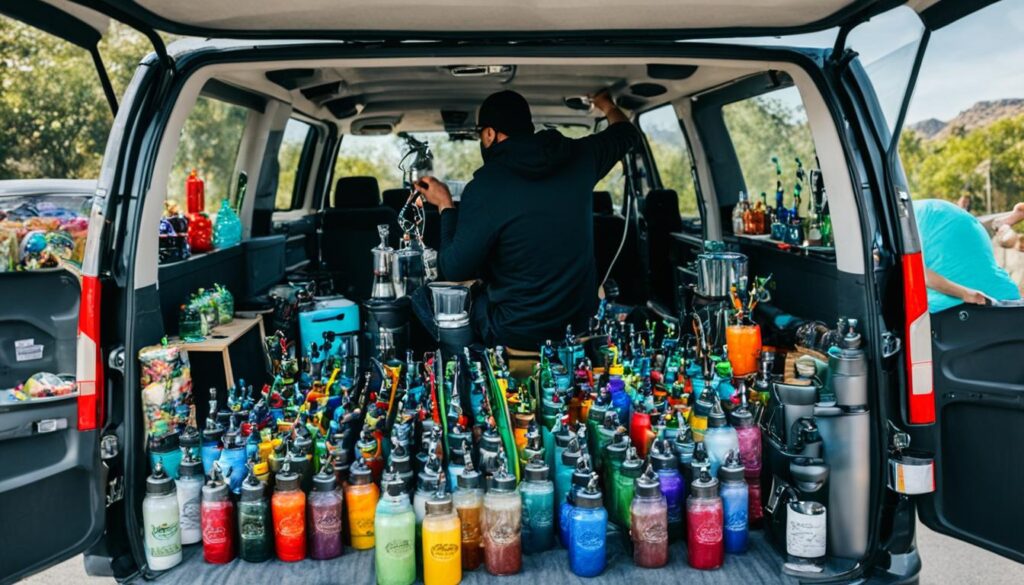
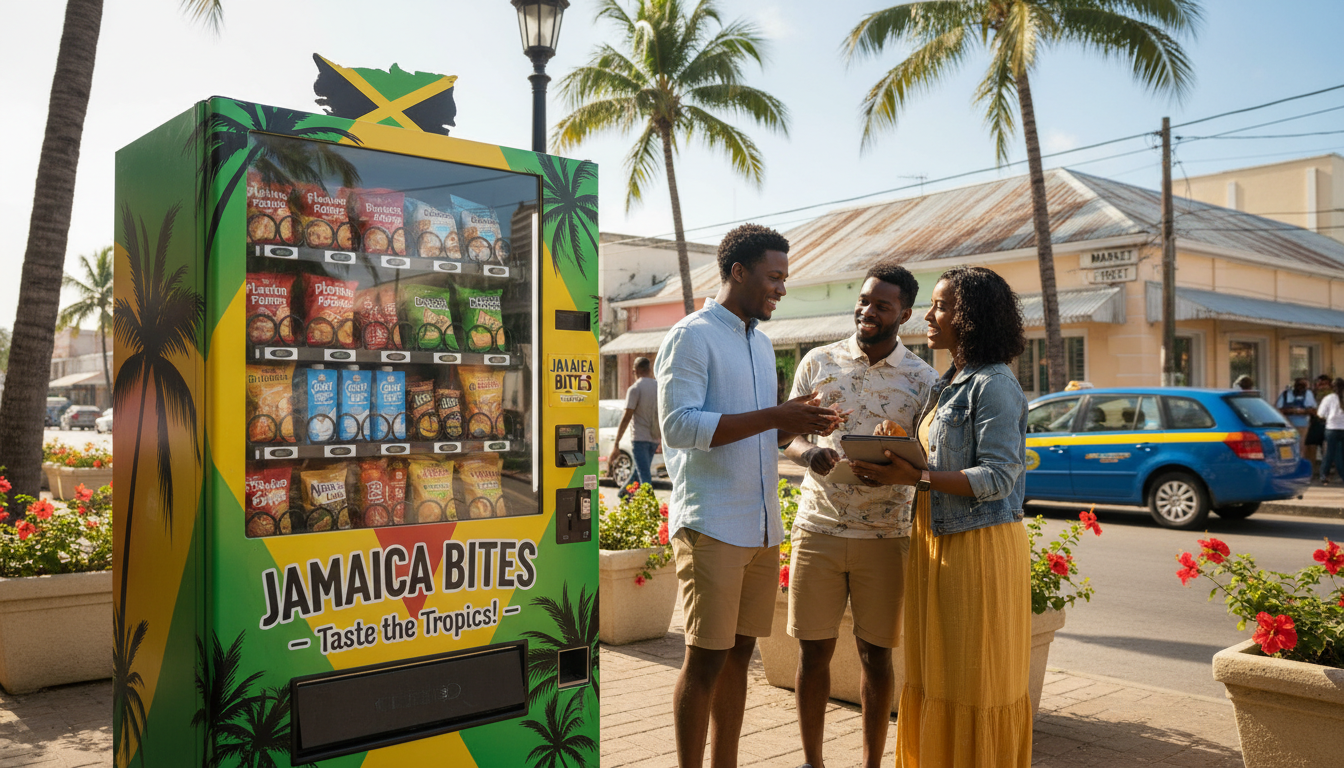
You’re comparing costs and opportunities between the U.S. and Jamaica. This guide sets realistic expectations so you can plan smart and avoid surprises. You will see what a vending machine business looks like in clear terms: you own machines, place them in high-traffic spots, stock products, and collect revenue.
Across the roadmap ahead, you’ll explore opportunity, model choice, product strategy, budgeting, and local licensing, including vendor registration. You’ll learn which machine features matter, how to find locations, and what operations feel like day to day.
Success here means steady cash flow, low overhead, and a repeatable route you can scale by adding machines over time. From day one, your biggest levers are product selection, pricing, and location. Treat this as a small system—restock rhythm, simple tracking, and supplier ties—rather than a single purchase.
Key Takeaways
- Compare markets and costs before you plan.
- Focus on product mix, price, and placement first.
- Follow the roadmap: opportunity, model, budget, licensing, operations.
- Define success as steady cash flow and easy scaling.
- Build simple systems for restocking and tracking.
Understand the Opportunity in Vending Machine Businesses Right Now
A few well-placed machines can earn steady cash without demanding full-time hours.
Why this fits your schedule: You can run this on evenings or weekends, keep your main job, and only expand when a location proves reliable. That makes the model low-risk and flexible as you learn the ropes.
Industry snapshot for planning
Nearly 5 million vending units operate across the U.S., and annual sales run into the billions. Those numbers show steady demand for quick purchases and convenience.
What cash flow and low overhead feel like
Cash flow: Customers pay instantly at the machine by cash, card, or e-wallet, so you collect on service visits—no invoicing or long wait for payments.
Low overhead: No storefront rent and minimal staff mean you can manage machines from home while you build routes. Early costs are mainly machines, stock, and transport.
- Scale by duplicating what works: same supplier, restock rhythm, and tracking at new locations.
- Expect some hands-on time: restocking, collections, cleaning, and occasional repairs.
- Local demand matters: places where people wait, commute, study, or work are ideal.
For practical next steps, review a detailed guide on location and licensing at vending machine business basics.
Decide Which Vending Business Model Fits You Best
Before you spend, decide whether you want speed, structure, or full control. Your entry choice shapes startup costs, legal steps, and daily work.
Buying an existing route
Buying a route gives a faster path to cash flow. You get locations, sales history, and immediate inventory.
- Check why the owner is selling and verify sales logs.
- Inspect machine condition and confirm supplier pricing.
- Make sure location agreements transfer with the sale.
Franchise vs. business opportunity
Franchises include systems, training, and brand support but often carry ongoing fees and restrictions.
Business opportunity models may give equipment and help without strict franchise rules, which can lower fees.
Starting from scratch
Building your own machine business lets you pick products, negotiate locations, and keep full control.
If you lack experience, structured training or a partner can cut early mistakes and speed learning.
Pick one model now since it affects funding, licenses, and how you pitch landlords.
Choose What You’ll Sell Based on Customers, Location, and Demand
Your choice of items should be guided by who uses the location and what they need right then. Start narrow: pick a small mix and watch patterns before you expand.
Food and beverages vs. non-food items
Food and beverages move fast in places with short waits or hungry crowds. Cold drinks, bottled water, and quick snacks sell well where options are limited.
Non-food items win when they solve immediate problems. Chargers, toiletries, and small electronics often command higher margins and face less brand competition.
Healthy snacks and modern preferences you can profit from
Better-for-you snacks do well in offices, gyms, and schools with wellness rules. Protein bars, baked chips, and fresh options can lift average sale value and repeat business.
Bulk vending for low-maintenance, low-cost entry
Bulk vending is inexpensive and simple. These machines need little servicing and no power. They’re ideal when you want low risk and low inventory costs.
Specialty ideas that match real-world needs
- Transport hubs: phone accessories and bottled beverages.
- Entertainment venues: toiletries, small first-aid items, and snacks.
- Outdoor markets: water and cold beverages for foot traffic.
Tip: Let location and product reinforce each other. The same vending machine can behave very differently depending on the crowd. Start with a tight product list and expand after you learn what customers prefer.
Plan Your Product Strategy for Profit, Repeat Sales, and Less Waste
Plan product choices that boost repeat buys while cutting waste and protecting margins. Start by matching items to the location’s rhythm—what an office worker grabs at 10 a.m. differs from a commuter’s pick.
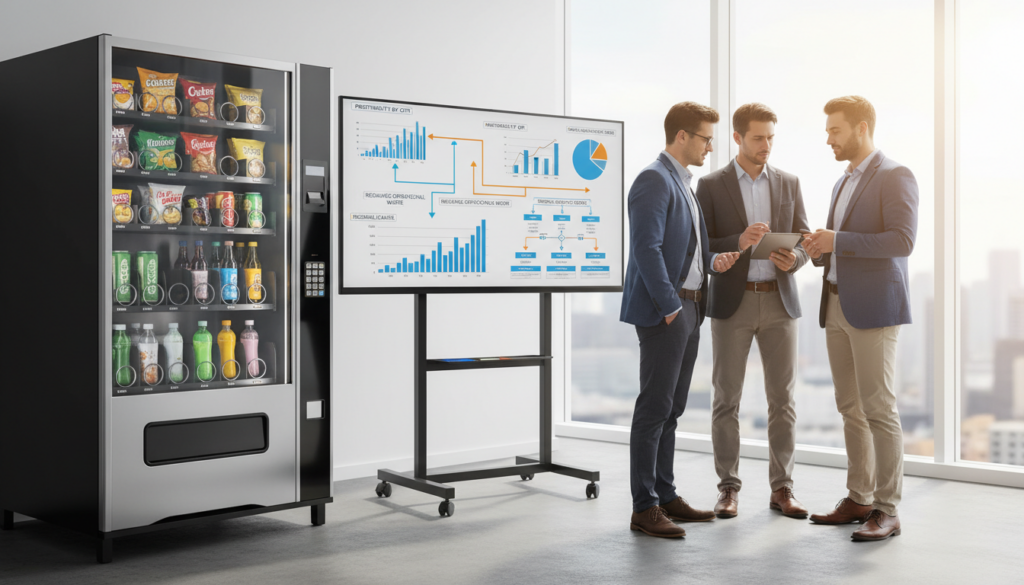
Affordability and pricing without turning customers away
Set prices with a simple rule: target a per-item margin that covers restock costs and leaves room for profit. Calculate expected turnover and avoid pricing so high that it kills volume.
Product recognition and quick decisions
Choose known brands where speed matters. Customers make fast choices, so familiar products sell more and reduce hesitation at the point of purchase.
Taste, freshness, and repeat traffic
In repeat-visit spots like an office or school, taste and freshness are your retention tools. Stale items cost you regular buyers faster than you think.
Nutritional trends and testing
Offer a few better-for-you items; customers will pay a bit more when the product fits the audience. Start with tight par levels, track sales, and iterate monthly: remove slow movers, keep top sellers, and rotate seasonal products.
- Buy direct from manufacturers when possible to improve margins.
- Use sales tracking as testing—stock based on real demand, not guesswork.
Build a Startup Budget and Know Your Real Costs
Start by mapping every cost you’ll face so surprise bills don’t eat your margin.
Typical price range for machines
New vending machines usually run between $3,000 and $10,000. Used or refurbished units can be under $3,000, and bulk refurbished units sometimes sell for as little as $50 each. Cheaper machines save money up front but may cost more for parts and repairs.
Operational startup items that matter
- Initial inventory and product testing — plan for several weeks of stock.
- Transport or delivery fees — trucks, freight, or supplier drop-off.
- Tools, bins, cleaning supplies, and secure cash handling gear.
- Contingency fund for repairs, parts, and downtime.
How many machines before income feels meaningful
One machine can teach you the ropes, but income usually becomes meaningful once you have several steady locations. Profitability improves with scale because you spread travel and fixed costs across more machines.
| Item | Estimated cost | Why it matters |
|---|---|---|
| New machine | $3,000–$10,000 | Reliability, card readers, warranty |
| Used/refurbished | Under $3,000 (bulk $50+) | Lower buy-in, higher maintenance risk |
| Startup ops | $300–$1,000 | Inventory, bins, tools, cleaning |
| Transport | $50–$500 per delivery | Can surprise new operators |
Budget your money conservatively and plan your service time and routes tightly. Start small, prove demand, then reinvest profits into more machines so your vending machine business grows without straining cash flow.
Learn the Legal Basics Before You Place a Machine
Before you place any units, check local requirements so you don’t pay fines or lose access to prime spots.
Start with the local baseline. Most states and municipalities require some form of business license and a vending or operator license for machines. You may also need a seller’s permit if sales tax applies in your area.
Which permits you might need
Business license registers your operation with the city or county. A vending/operator license covers machine placement and operator responsibilities. A seller’s permit allows you to collect and remit sales tax on goods sold.
Sales tax in brief
Tax rules vary by state and product. If an item is taxable, you must add tax at the point of sale and file returns on the schedule required by your jurisdiction.
Plan pricing with tax in mind so margins stay intact and filing deadlines don’t surprise you.
Food and health rules
If you stock perishable food, expect additional health permits and rules on storage temperature, labeling, and expiry monitoring.
Failing food-safety rules can trigger fines and machine shutdowns quickly.
- Confirm local regulations with the county health department and the state tax agency before signing any location contract.
- Keep records of permits, inspections, and tax filings for every location.
- Create a short compliance checklist you review before each new placement so legal steps don’t slow your scaling.
| Requirement | Who issues it | Typical trigger | Why it matters |
|---|---|---|---|
| Business license | City/County | Operating any business from a location | Legal registration; needed for contracts and permits |
| Vending/operator license | State or local agency | Placing machines in public or private venues | Authorizes machine operation; avoids fines |
| Seller’s permit / sales tax | State tax agency | Selling taxable goods | Requires tax collection and filings |
| Food/health permit | County health dept. | Stocking perishable food | Ensures safety; prevents shutdowns and penalties |
Why noncompliance gets expensive fast: fines, loss of key locations, and damaged relationships with property managers can cut revenue and slow growth. Confirm rules early and use resources like this compliance guide for additional steps.
How to Start a Vending Machine Business in Jamaica With Licensing and Vendor Registration
Getting your paperwork in order early saves time and keeps you eligible for prime market spots. Licensing and vendor registration are mandatory in many regulated markets, so plan this step before you place any machines.
Core Jamaica vendor registration requirements you should prepare
Bring your Tax Registration Number (T.R.N.), two passport-size photographs, and valid ID (passport or national ID). These items are typically required at the counter and will prevent delays during application.
Annual timing, fees, and what “renewal” means in practice
Registration runs April 1 through March 31 each year. The standard fee is about $2,500 per annum (subject to change), so budget for this when you plan cash flow. Renew on time to avoid lapses and extra charges.
Market-specific limits you must follow if you vend in regulated markets
Official markets charge user fees in addition to registration. In some parishes, like St. Catherine (excluding Portmore), licenses are tied to the exact market, goods listed, and date/time in your booklet.
Moving a machine or changing products without updating the license can put your operation out of compliance with local regulations.
What to do if you stop operating and later restart
If you cease vending, return your Vendor Licence Book for cancellation. Not returning it can leave your license active and fees outstanding.
If you resume operations, reapply for registration and licensing before placing machines again so your records and payments are current.
- Checklist: TRN, two passport photos, passport or national ID, fee budget, plan for market user fees.
- Tip: Confirm the current fee and any parish rules with the local authority before applying.
| Requirement | When | Why it matters |
|---|---|---|
| TRN and ID | At application | Verifies taxpayer and identity for the license |
| Registration fee | Annual (Apr 1–Mar 31) | Covers vendor license for the year; plan cash flow |
| Market user fees | As charged by market | Required for official market stalls; affects pricing |
| Vendor Licence Book | Return on stop; reapply on restart | Cancels liability or reopens legal operation |
Pick Vending Machine Types and Features That Boost Sales
Choose machines that fit your customers and reduce service headaches. Your equipment affects restock frequency, repair time, and how much each location earns.
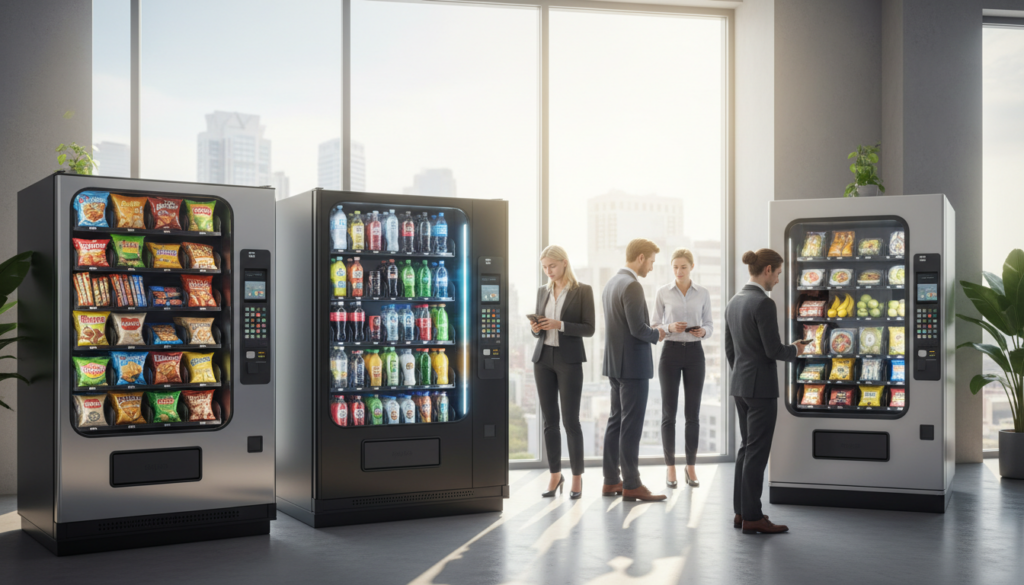
Common types and what they mean for your route
Snack, beverage, combo, bulk, and specialty each behave differently. Snack and beverage machines sell steadily but need more frequent visits. Bulk units are cheap to run and low maintenance. Specialty machines (chargers, toiletries) can carry higher margins and longer sell-through.
Payment acceptance that raises sales
Card and e-wallet options increase impulse buys compared with cash-only setups, especially at commuter spots. Modern readers also accept contactless pay and mobile wallets, which boosts conversion and average order value.
Design, flexibility, and supplier support
Attractive fronts, reliable vends, and good lighting build trust and beat older cash machines. Adjustable shelving and configurable spirals let you change product sizes without swapping a whole machine.
- Operational edge: telemetry and online management cut downtime and speed restock planning.
- Company support: pick a supplier that offers training, parts, and remote tools so your business stays running.
- Example: a sleek cashless machine beside an older cash-only unit often shifts customers your way when pricing and selection align.
| Feature | Benefit | Impact on sales |
|---|---|---|
| Cashless reader | More payment options | Higher conversion |
| Adjustable shelving | Flexible product sizes | Faster product tests |
| Telemetry | Remote monitoring | Lower downtime |
Find the Right Locations in Jamaica Where People Actually Buy
Picking the right spots makes the difference between slow turnover and steady daily sales. Your goal is simple: repeated daily traffic, few nearby options, and a reason for someone to buy now.
High foot-traffic areas that tend to perform well
Look for malls, transit hubs, schools, and apartment complexes. These areas send repeat visitors and steady footfall, which lifts sales without extra marketing.
Locations with limited food options and built-in need
Parks, small hotels, and gas stations without a store create a gap your machine can fill. In these areas, convenience beats price for many buyers.
Waiting-time locations that encourage impulse purchases
Repair shops, salons, hospitals, and transit terminals keep people in place. When people wait, they are likelier to make impulse buys from a vending unit.
How to evaluate competition without walking away too early
Don’t avoid sites just because another machine exists. Check if that machine is old, cash-only, or poorly stocked. Those weaknesses are your openings.
- Visit at peak hours and count visitors for 10–15 minutes.
- Note nearby food outlets and whether they serve the same products.
- Match product mix to the crowd—snacks at colleges, drinks at transit hubs, essentials at parks.
| Location type | Why it works | Common best items | Competition check |
|---|---|---|---|
| Malls & entertainment | High repeat footfall | Drinks, snacks, quick meals | Watch nearby kiosks and food courts |
| Offices & manufacturing | Regular staff traffic | Healthy snacks, coffee, bottled water | Check break room access and contracts |
| Transit hubs & terminals | Waiting passengers, impulse buys | Cold drinks, chargers, snack packs | See if machines accept cashless pay |
| Parks & rest stops | Few food choices nearby | Water, cold drinks, packaged snacks | Assess vandalism risk and maintenance access |
Secure Locations Like a Pro With Proposals and Contracts
Landlords and managers decide placement quickly; your pitch should make that choice simple and profitable for them.
Pitch owners with benefits, not features
Tell a business owner what matters: happier staff and visitors, added convenience, and potential commission income. Emphasize reliability, quick restocks, and minimal fuss for front-desk teams.
Common compensation structures
Offer clear options that match traffic and expectations. Typical models include flat monthly rent or a percentage of sales. Rent suits steady, predictable locations; revenue share works when you both want upside from strong footfall.
Contract terms every deal should include
- Placement details: exact location, access hours, and exclusivity if agreed.
- Service standards: restock frequency, cleanliness, and response time for failures.
- Maintenance & damage: who repairs, who pays, and theft handling.
- Termination: notice periods, removal rights, and sales underperformance rules.
| Term | Why it matters | Typical clause |
|---|---|---|
| Access & hours | Prevents lockouts | Key or code access; service window |
| Liability | Protects both parties | Insurance requirements; damage responsibility |
| Revenue split | Aligns incentives | Flat rent or % of gross sales; audit rights |
Get it in writing and have a lawyer review major deals. A clear contract saves time, reduces disputes, and protects your business and the owner if things change.
Source Machines and Suppliers Without Getting Overwhelmed
Choose vendors who reduce guesswork so you can focus on locations and sales.
Start by vetting each company for clear pricing, parts availability, and warranty terms. Ask for service response times and a sample service agreement so you know how fast repairs will happen.
What to look for in a supplier
Modern features: cloud dashboards, card readers, and adjustable shelving that let you change products quickly without swapping hardware.
Transparent costs: get total landed pricing and spare-parts rates so fees don’t creep up later.
Support that saves you time
- Training on setup, troubleshooting, and cashless configuration so you learn faster and avoid costly mistakes.
- Location assistance or lead support that shortens the gap between purchase and earning revenue.
- Scalable ordering and consistent service as you add machines so your operations stay smooth.
| Feature | Why it matters | Impact |
|---|---|---|
| Warranty & parts | Reduces repair bills | Higher uptime |
| Cloud management | Tracks inventory remotely | Saves service time |
| Location help | Speeds placement | Faster revenue |
Remember: the supplier you pick affects uptime and relationships with location partners. Choose a company that supports growth and keeps machines earning for your business.
Set Up Operations: Restocking, Collections, Repairs, and Scheduling
Set a weekly routine that treats your route like a small service business rather than a collection of machines. Clear rhythms cut wasted time and keep each location profitable.
Service frequency by sales
Plan visits based on sales. High-volume locations need frequent restocks to avoid stockouts. Low-volume spots need fewer visits so you don’t waste time or product.
Preventive maintenance that reduces downtime
Check bill validators, card readers, coils, and refrigeration temps at each visit. Clean parts and run test vends so you catch faults before they cost you sales.
Track inventory and performance
Log sales per visit, best-selling products, and waste or expiry by location. Use a simple spreadsheet or app that records restock quantities, cash collected, and slow movers.
- Weekly routine: route planning, restock, reconcile cash/card, quick checks.
- Why downtime matters: every broken machine loses income and trust with the site owner.
- When to hire: add help when service time grows beyond your available time or during peak seasons.
| Task | Frequency | Why it matters |
|---|---|---|
| Restock top sellers | Weekly or bi-weekly | Prevents lost sales |
| Clean & test readers | Every visit | Reduces card failures |
| Record sales data | Each visit | Improves product mix |
For hands-on planning and route tools, see this route planning guide that helps you save time and scale your business.
Financing Options to Help You Start Vending Without Draining Your Savings
When cash is tight, smart financing helps you buy machines while keeping runway for living costs. Financing should match tested demand and a clear repayment plan.
Loan choices and short-term options
Unsecured loans and short-term business loans are fast but may carry higher rates. Secured loans give better terms if you can use collateral.
SBA loans for new owners
SBA programs can lower costs and extend terms, but approval needs solid documentation and credit. If you qualify, an SBA loan can stretch startup money further.
Home equity and retirement options — use caution
HELOCs and IRS-approved 401(k) rollovers unlock money, but they raise personal risk. Only use these when your plan shows reliable revenue and you accept the downside risk.
- Tip: Fund initial machines conservatively and validate locations first.
- Project realistic revenue, include state-specific fees, and build a repayment schedule.
- Confirm total repayment and lender terms before signing.
| Option | Pros | Cons |
|---|---|---|
| Unsecured loan | Fast approval | Higher rates |
| SBA loan | Lower rates, longer term | More paperwork |
| HELOC / 401(k) rollover | Lower cost access | Personal risk if machines underperform |
Conclusion
This guide closes with a clear checklist that puts every step within reach.
Choose a model, pick products that fit your crowd, budget conservatively, and handle licensing and vendor registration before placement. Select modern machines for reliability and cardless pay, then target high-need locations for steady sales.
Remember the biggest drivers: location quality, product fit, machine reliability, and consistent operations. Treat compliance as part of your system — secure a business license, plan for tax filings, and follow local regulations.
Set one practical milestone: secure one solid location, install one reliable vending machine, and track results for 30–60 days. Next steps: draft your pitch, list ten target locations, confirm vendor registration rules, and start vending with a measured rollout.
FAQ
What permits and registration do you need to operate vending machines in Jamaica?
You must register your business with the Companies Office of Jamaica or as a sole proprietor, obtain a Taxpayer Registration Number (TRN) from the Tax Administration Jamaica, and register for General Consumption Tax (GCT) if your annual sales exceed the threshold. If you sell food or beverages, get clearance from the local parish health department and follow food safety rules. Vendor registration and any parish-specific permits may also apply depending on location.
Which locations in Jamaica typically generate the best sales for machines?
High foot-traffic sites like hospitals, university campuses, office towers, bus terminals, and shopping centers perform well. Spots with limited food options—industrial estates, small office parks, and waiting areas—drive impulse buys. Look for places with steady daily traffic and captive audiences during breaks or waiting times.
How much does a typical machine cost and what are the ongoing expenses?
New snack or drink machines range from about J$400,000 to J$1,500,000 depending on features. Used or refurbished machines cost less. Ongoing costs include inventory, transportation, maintenance, electricity, insurance, and location rent or commission. Factor in taxes, licensing renewals, and occasional repairs when you build your budget.
What product mix should you start with for offices and schools?
For offices, blend popular branded snacks, bottled beverages, and a few healthier options like granola bars or bottled water. For schools, focus on approved snacks that meet nutritional and health rules—low-sugar items, juices, and portion-controlled snacks. Always test local preferences and swap slow sellers quickly.
Are card and e-wallet payments worth the investment?
Yes. Card readers and e-wallet support increase sales by meeting customer expectations and reducing cash-handling risk. In Jamaica, adding mobile payment compatibility with systems like Paymaster or common bank card readers can boost convenience and impulse purchases.
How many machines do you need before income becomes meaningful?
That varies by location and product margins. Many operators see a meaningful supplemental income with 5–15 well-placed machines. If you want full-time income, plan for 30+ high-performing units or a mix of premium locations and high-margin specialty machines.
What are the key legal risks when vending food items?
Main risks include noncompliance with food safety, selling expired goods, and improper storage that leads to contamination. Violations can lead to fines, forced closures, and reputational damage. Maintain clean machines, follow health department guidelines, train staff, and document inspections.
How do you secure a placement with a business owner or property manager?
Pitch benefits: added convenience for their staff or customers, potential revenue share, and minimal management burden. Offer clear terms—rent amount or percentage of sales, service schedule, and liability coverage. Use a simple contract covering maintenance, damage, and termination to build trust.
Is it better to buy an existing operator or start from scratch?
Buying an existing route offers immediate cash flow, established locations, and sales history—useful if you want to scale fast. Starting from scratch costs less initially and gives control over locations and product mix. Choose based on your budget, risk tolerance, and appetite for hands-on setup.
What financing options work for new operators in Jamaica?
Consider unsecured small business loans from local banks, short-term business loans, or equipment financing from suppliers. Some entrepreneurs use personal lines of credit or partner with investors. Evaluate interest rates, repayment terms, and whether the lender accepts vending machines as collateral.
How do you manage restocking, cash collections, and maintenance efficiently?
Create a schedule based on sales—high-volume sites need daily or multiple weekly visits; low-volume locations can be weekly or biweekly. Track inventory and sales per machine using spreadsheets or vending software. Use preventive maintenance checklists and keep a small parts kit to reduce downtime.
What are the best machine features that increase sales?
Cashless payment acceptance, LED lighting, attractive branding, adjustable shelving, and reliable refrigeration for drinks help sales. Clear product displays and fast, reliable vend mechanisms reduce complaints and returns. Modern telemetry that reports sales remotely adds operational efficiency.
Can you sell healthy and specialty items profitably?
Yes—if you match products to location and price competitively. Office and gym sites respond well to healthier snacks, protein bars, and fresh bottled drinks. Specialty machines—like electronics accessories or PPE—can thrive in the right niche. Track demand and adjust quickly when items underperform.
What taxes apply to vending income and how should you plan?
Vending income is subject to income tax and may be subject to GCT when sales exceed the registration threshold. Keep accurate sales and expense records, register with Tax Administration Jamaica, and file timely returns. Consult an accountant familiar with small retail and hospitality sectors.
If you stop operating, what steps protect you for a restart later?
Notify location partners, cancel or pause utility-facing services, and maintain proper records for tax and licensing. Keep machines in good condition or arrange storage. For a later restart, renew registrations, clear any outstanding taxes, and revisit location agreements—some landlords require fresh approvals.
Where can you find reliable suppliers and machine vendors in Jamaica?
Look for established vending equipment dealers, hospitality distributors, and national beverage suppliers. Ask for references, warranty terms, and service support. Suppliers that offer training, remote monitoring, and spare parts reduce downtime and speed your learning curve.